Using Digital Twins for Sustainable Tech in India 2025: A Green Revolution
India’s tech landscape is thriving, with its digital economy projected to reach $1 trillion by 2030. Using digital twins for sustainable tech is emerging as a game-changer, enabling industries to optimize resources and reduce environmental impact. Digital twins—virtual replicas of physical assets powered by AI, IoT, and data analytics—are transforming smart cities, energy, and agriculture across India. From startups in Bengaluru to policymakers in Delhi, this technology is driving sustainability in 2025. Here’s a guide to using digital twins for sustainable tech in India, inspiring Indian readers to embrace a greener, smarter future.

Optimizing Smart Cities with Digital TwinsDigital twins are revolutionizing India’s 100+ smart city projects, enhancing urban sustainability. Using digital twins for sustainable tech, cities like Amaravati and Pune employ virtual models to monitor traffic, water systems, and energy usage in real time. For instance, Siemens’ digital twin solutions, adopted in Surat, optimize street lighting, reducing energy consumption by 20%. IoT sensors and 5G connectivity feed data to these twins, enabling predictive maintenance for infrastructure, cutting costs and emissions. With 68% of India’s population urbanizing by 2030, digital twins ensure efficient resource use, benefiting residents and local governments alike.
Sustainable Energy and ManufacturingDigital twins are driving sustainability in India’s energy and industrial sectors. In renewable energy, companies like Tata Power use digital twins to model wind turbines in Gujarat, predicting maintenance needs to boost efficiency by 15%. This reduces downtime and supports India’s 500 GW renewable energy goal by 2030. In manufacturing, firms like L&T in Chennai leverage digital twins to simulate production lines, minimizing waste and energy use. These solutions, powered by platforms like Microsoft Azure, align with “Make in India,” helping MSMEs in Tier-2 cities like Coimbatore adopt sustainable practices affordably, with tools starting at ₹1,000/month.
Transforming Agriculture for SustainabilityAgriculture, employing 42% of India’s workforce, benefits immensely from digital twins. Startups like BharatRohan in Uttar Pradesh use digital twins to model crop health, integrating IoT data from drones to optimize irrigation and reduce pesticide use by 30%. This boosts yields for farmers in Punjab and Tamil Nadu while conserving water. Supported by the Digital Agriculture Mission, digital twins enable precision farming, ensuring food security and sustainability. Data privacy, protected by the Digital Personal Data Protection Act 2023, builds trust, making these tools accessible to rural communities.
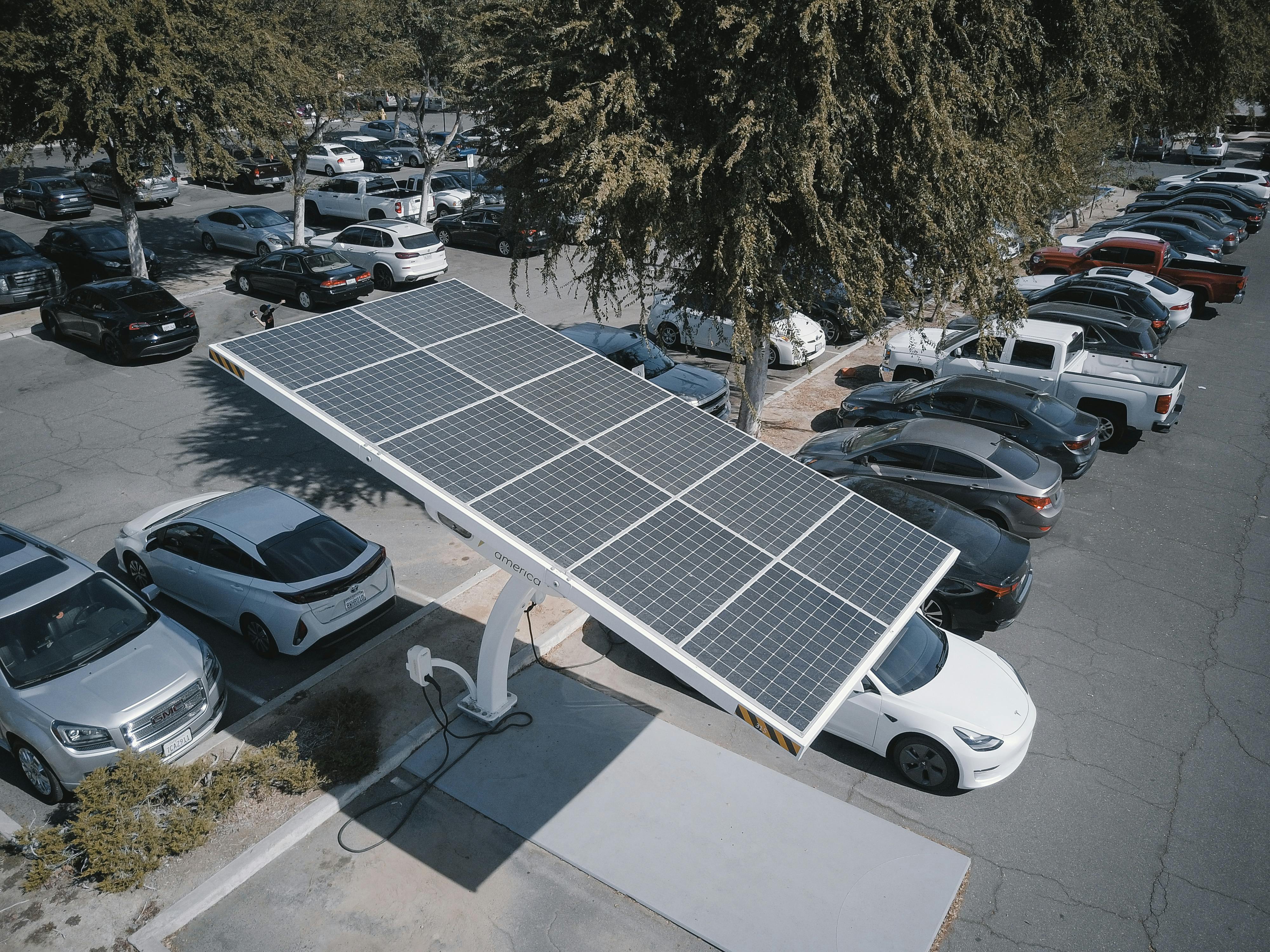
Challenges and the Path ForwardUsing digital twins for sustainable tech faces challenges like high initial costs and skill gaps. However, upskilling through platforms like upGrad (starting at ₹5,000) and partnerships with IITs are bridging these. For Indian readers, digital twins mean greener cities, efficient industries, and sustainable farming. With India’s AI market hitting $7.8 billion in 2025, embracing digital twins is key to a low-carbon future. Start exploring this technology at events like India Mobile Congress 2025 to drive sustainability and innovation in Bharat!
Sustainable Energy and ManufacturingDigital twins are driving sustainability in India’s energy and industrial sectors. In renewable energy, companies like Tata Power use digital twins to model wind turbines in Gujarat, predicting maintenance needs to boost efficiency by 15%. This reduces downtime and supports India’s 500 GW renewable energy goal by 2030. In manufacturing, firms like L&T in Chennai leverage digital twins to simulate production lines, minimizing waste and energy use. These solutions, powered by platforms like Microsoft Azure, align with “Make in India,” helping MSMEs in Tier-2 cities like Coimbatore adopt sustainable practices affordably, with tools starting at ₹1,000/month.
Transforming Agriculture for SustainabilityAgriculture, employing 42% of India’s workforce, benefits immensely from digital twins. Startups like BharatRohan in Uttar Pradesh use digital twins to model crop health, integrating IoT data from drones to optimize irrigation and reduce pesticide use by 30%. This boosts yields for farmers in Punjab and Tamil Nadu while conserving water. Supported by the Digital Agriculture Mission, digital twins enable precision farming, ensuring food security and sustainability. Data privacy, protected by the Digital Personal Data Protection Act 2023, builds trust, making these tools accessible to rural communities.
Challenges and the Path ForwardUsing digital twins for sustainable tech faces challenges like high initial costs and skill gaps. However, upskilling through platforms like upGrad (starting at ₹5,000) and partnerships with IITs are bridging these. For Indian readers, digital twins mean greener cities, efficient industries, and sustainable farming. With India’s AI market hitting $7.8 billion in 2025, embracing digital twins is key to a low-carbon future. Start exploring this technology at events like India Mobile Congress 2025 to drive sustainability and innovation in Bharat!


Comments
Post a Comment