Open Source AI Models 2025: India's AI Boom
India's AI story is rewriting itself in 2025, with the market surging to $7.8 billion and open source AI models at the epicenter. No longer just code snippets for hobbyists, these collaborative powerhouses—like Meta's Llama 4 and Alibaba's Qwen-3—are democratizing tech, letting Bengaluru devs fine-tune for Hindi chatbots or Punjab farmers' crop predictors. As China's DeepSeek-R1 sparks global jitters and US firms play catch-up, India leads in deployment, thanks to 70% of startups leaning on open source. For IIT grads, Mumbai entrepreneurs, or Jaipur innovators, open source AI models 2025 mean affordable innovation without big-tech gatekeepers. Amid EY's GenAI trends report highlighting India's evolution, let's unpack how these models are fueling Bharat's digital dreams.

Top Open Source AI Models Dominating 2025The Stanford AI Index 2025 paints a thrilling picture: Open-weight models are narrowing the performance chasm with closed ones, slashing costs by 50%. Meta's Llama 4, with its multimodal flair for text-to-video, is a favorite for Bollywood creators experimenting with AR scripts. Mistral Large edges out in reasoning, powering enterprise tools at TCS for fraud detection. But the real buzz? China's Qwen-3 suite—vision, code, and MoE variants—ranks high on LM-Arena, rivaling GPT while dodging Arunachal queries that irk Indian users. DeepSeek-R1's January release triggered US panic but inspired Indian forks on Hugging Face, blending global smarts with local data for sovereign Indic LLMs. Gemma 3 from Google outpaces GPT-3.5 in efficiency, ideal for low-resource edge devices in rural Kerala clinics. These open source AI models 2025 aren't just free—they're flexible, letting devs like you tweak for real-world wins, from voice AI at Uniphore to TB scans at Qure.AI.Fueling Indian Startups: From Funding to Frontier TechOpen source is the secret sauce for India's AI unicorns, gobbling $1B+ in funding this year. Sarvam AI's open-sourcing of IndiaAI Mission models marks a milestone, creating Indic LLMs for 22 languages, empowering Yellow.ai's multilingual bots serving 135 tongues. Observe.AI leverages Llama for real-time call analytics, while Krutrim (Ola's bet) fine-tunes Qwen for vernacular search, eyeing 58% GenAI adoption. CCI's report confirms: Open source drives the boom, with 70% of startups building on global contributions from Meta and Microsoft. For Tier-2 hustlers in Coimbatore, it's a leveler—fork DeepSeek for agritech drones boosting Punjab yields by 20%, or Gemma for edtech like Byju's personalized tutors. McKinsey notes enterprises favor big-tech open tools, but India's edge? Rapid deployment in smart cities like Amaravati. These models cut R&D costs, letting MSMEs compete globally.
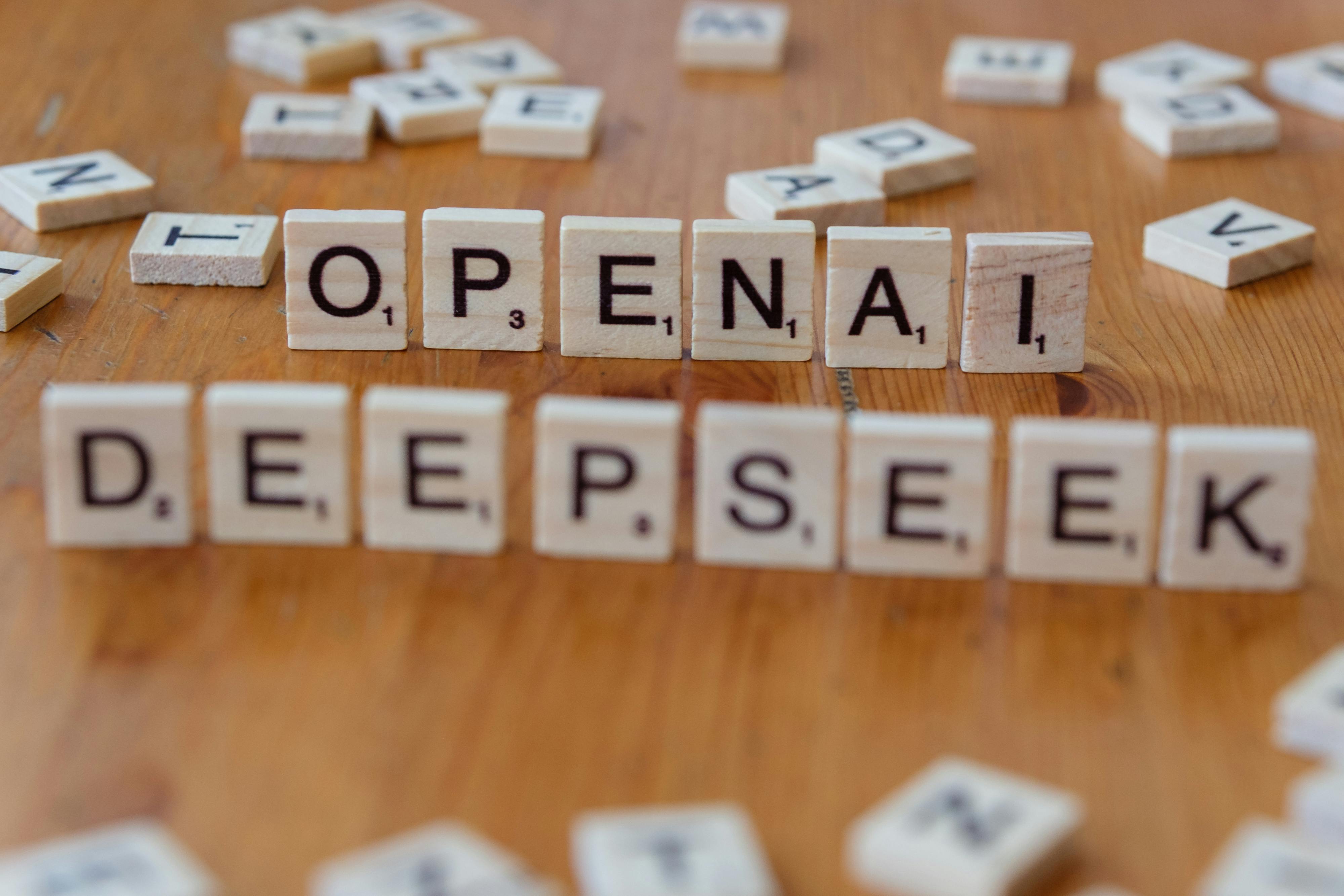
Challenges and India's Open AI HorizonOpen source AI models 2025 shine, but shadows linger: Talent shortages, data silos, and R&D gaps, as Carnegie highlights, with DeepSeek exposing US vulnerabilities yet stoking Indian sovereignty debates. Ethical hiccups—like biased outputs in Chinese models—demand vigilant forking, per ORF's call for India-led deployment. Bridge it with upGrad courses (₹5,000) or India AI Summit 2025 prototypes. By 2030, with 58 GenAI stats forecasting workforce shifts, India could dominate if we prioritize diverse contributions.Open source AI models 2025 aren't hype—they're India's toolkit for a $1T digital economy. Grab Llama, tweak Qwen, or join Sarvam's open push. What's your first open-source AI project? Comment below and code the future of Bharat!
Top Open Source AI Models Dominating 2025The Stanford AI Index 2025 paints a thrilling picture: Open-weight models are narrowing the performance chasm with closed ones, slashing costs by 50%. Meta's Llama 4, with its multimodal flair for text-to-video, is a favorite for Bollywood creators experimenting with AR scripts. Mistral Large edges out in reasoning, powering enterprise tools at TCS for fraud detection. But the real buzz? China's Qwen-3 suite—vision, code, and MoE variants—ranks high on LM-Arena, rivaling GPT while dodging Arunachal queries that irk Indian users. DeepSeek-R1's January release triggered US panic but inspired Indian forks on Hugging Face, blending global smarts with local data for sovereign Indic LLMs. Gemma 3 from Google outpaces GPT-3.5 in efficiency, ideal for low-resource edge devices in rural Kerala clinics. These open source AI models 2025 aren't just free—they're flexible, letting devs like you tweak for real-world wins, from voice AI at Uniphore to TB scans at Qure.AI.Fueling Indian Startups: From Funding to Frontier TechOpen source is the secret sauce for India's AI unicorns, gobbling $1B+ in funding this year. Sarvam AI's open-sourcing of IndiaAI Mission models marks a milestone, creating Indic LLMs for 22 languages, empowering Yellow.ai's multilingual bots serving 135 tongues. Observe.AI leverages Llama for real-time call analytics, while Krutrim (Ola's bet) fine-tunes Qwen for vernacular search, eyeing 58% GenAI adoption. CCI's report confirms: Open source drives the boom, with 70% of startups building on global contributions from Meta and Microsoft. For Tier-2 hustlers in Coimbatore, it's a leveler—fork DeepSeek for agritech drones boosting Punjab yields by 20%, or Gemma for edtech like Byju's personalized tutors. McKinsey notes enterprises favor big-tech open tools, but India's edge? Rapid deployment in smart cities like Amaravati. These models cut R&D costs, letting MSMEs compete globally.
Challenges and India's Open AI HorizonOpen source AI models 2025 shine, but shadows linger: Talent shortages, data silos, and R&D gaps, as Carnegie highlights, with DeepSeek exposing US vulnerabilities yet stoking Indian sovereignty debates. Ethical hiccups—like biased outputs in Chinese models—demand vigilant forking, per ORF's call for India-led deployment. Bridge it with upGrad courses (₹5,000) or India AI Summit 2025 prototypes. By 2030, with 58 GenAI stats forecasting workforce shifts, India could dominate if we prioritize diverse contributions.Open source AI models 2025 aren't hype—they're India's toolkit for a $1T digital economy. Grab Llama, tweak Qwen, or join Sarvam's open push. What's your first open-source AI project? Comment below and code the future of Bharat!


Comments
Post a Comment