Multi Agent AI Systems 2026: India's Tech Revolution
We're heading into 2026 now, and multi agent AI systems are actually happening, not just some far off idea. In India, this stuff is changing things fast, especially in busy spots like Surat or Bangalore where tech is picking up. I think it's because these systems work together like a group of people, handling tough jobs on their own without much help.
From what I've read in reports like the EY one on AI in India, there's this big move from basic AI tools to these multi agent setups. Agents in them plan out steps, do the work, and check if everything's okay. It seems kind of seamless, but probably not always perfect.
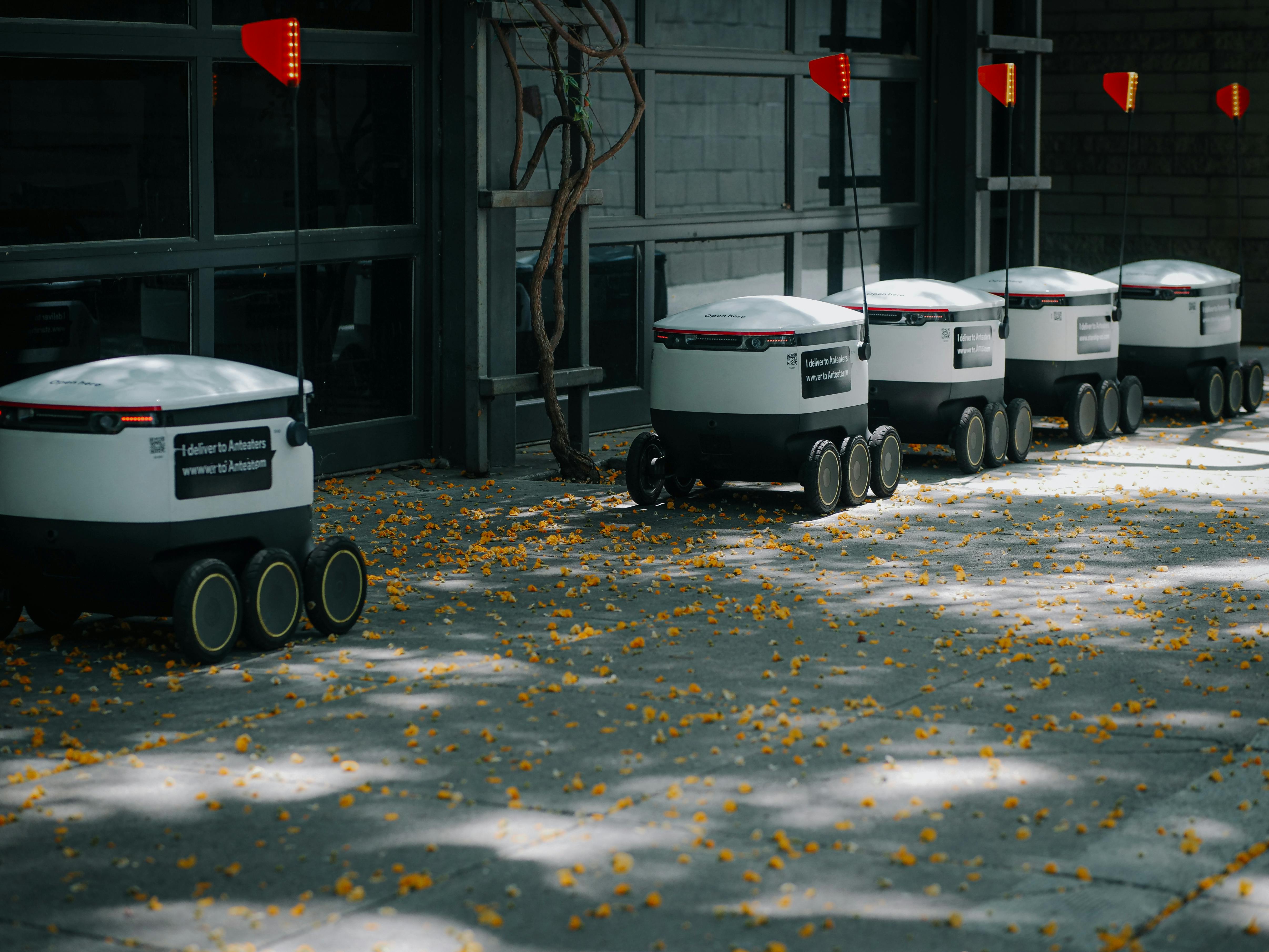
Adoption is exploding here, with about 24 percent of leaders already using agentic AI according to EY. In logistics, which is huge in places like Surat with all the ports, these agents manage supply chains from start to finish. That cuts costs and makes things run smoother. Forbes mentioned how they can save up to 70 percent on GPU stuff through platforms like io.net, which is a big deal for startups that don't have endless money.
The market's supposed to reach 52 billion globally by 2030, and India might be right up there with its national AI strategy. That part stands out, how it's helping small companies scale without going broke.
For professionals, there are all these openings in different areas. Healthcare could use agents to look at patient data and suggest treatments, whether in rural Gujarat or big cities like Mumbai. It feels like that could make a real difference where doctors are stretched thin.
In e-commerce, especially in tier two cities like Surat, inventory gets handled super efficiently. Deloitte says the agent market might hit 8.5 billion this year. Young people can get into AI orchestration jobs, and Gartner talked about a huge jump, like 1,445 percent more inquiries for multi agent things.
Indian companies such as TCS are switching from old RPA to these dynamic systems, which creates jobs and sparks new ideas. Some people might think it's replacing workers, but I guess it mostly adds new roles.

Still, there are hurdles. Data privacy with India's rules is tricky, and getting systems to work together isn't easy. Plus, people need training to keep up. Salesforce predicts that enterprises will need strong rules for multi agent stuff.
If we tackle those issues, India could turn into a real AI powerhouse. It's blending machine smarts with human checks for better efficiency down the line. Not everything's clear on how fast that happens, though.


Comments
Post a Comment